Awareness of "WE"
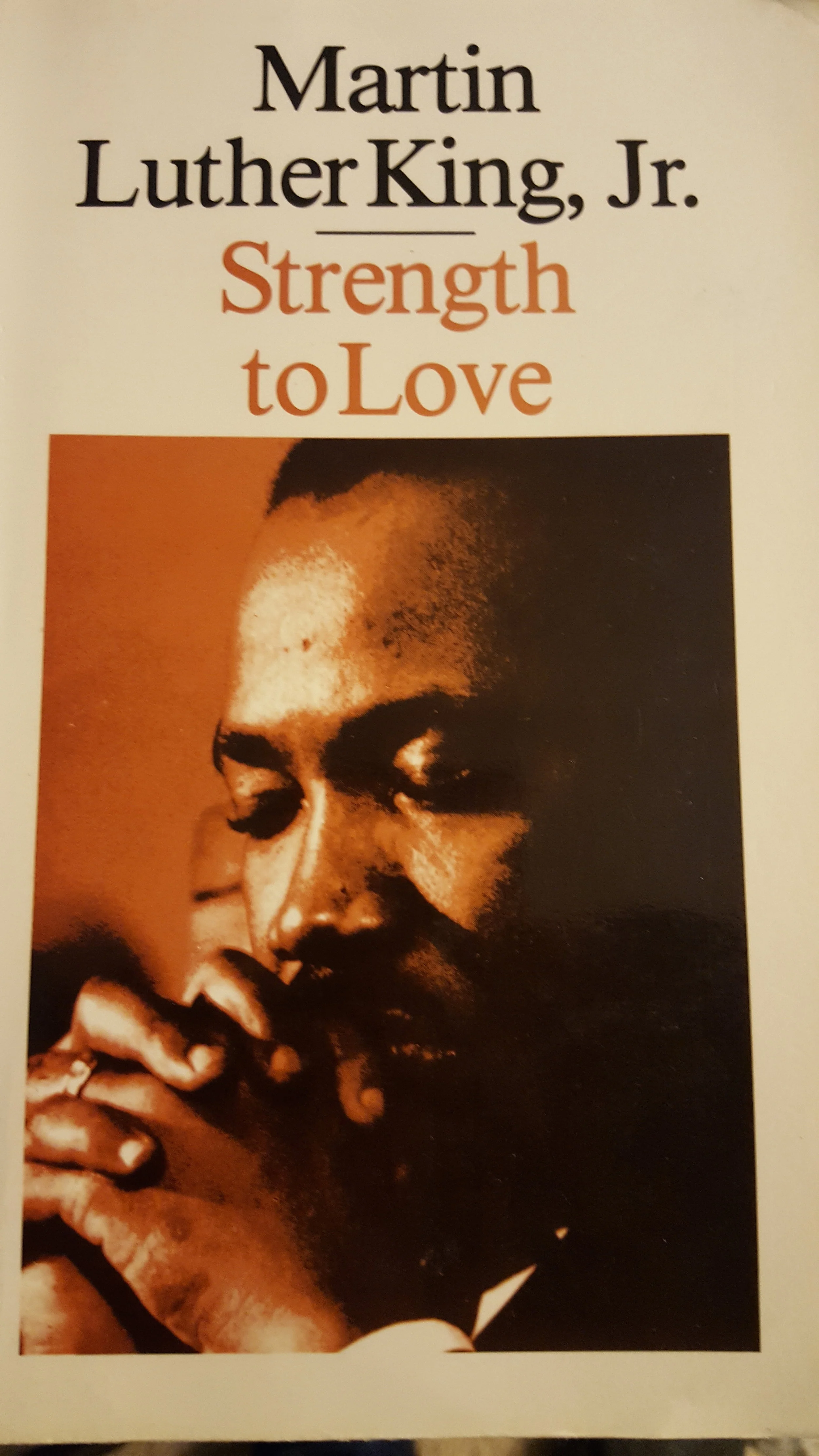
On April 4th, 1967, the Rev. Dr. Martin Luther King, Jr. spoke at a church in New York City and delivered an address that was both prophetic and unsettling. It was prophetic because in its condemnation of the United States’ actions in Vietnam, the speech accurately assessed the potential ongoing evils of an unchecked U.S. war machine if citizens were not courageous enough to demand better. Dr. King’s words that night were unsettling to those—including many black voices—who thought that he would do irrevocable damage to the struggle for civil rights domestically by lending his voice to what was happening abroad. His public stance against the war infuriated much of white America, especially those who felt that a “negro preacher” had no business speaking about U.S. foreign policy and national interests. On April 4th, 1968, Dr. King was shot dead in Memphis, Tennessee while standing on the balcony of his motel.
Every January we have a day off for his birthday and in February he leads a relatively short list of household names that ostensibly represent the totality of what black people have contributed to the history of this massive land. These are the largely superficial, downright corny, and often misguided celebrations of who Martin Luther King, Jr. was and what he stood for. And in the midst of all this selective remembering and meaningless chanting about having dreams and coming together, an incredible lesson from King’s life—and from his 1967 speech against U.S. destruction of Vietnam—is often lost. His oratory skills didn’t make him special; many people can captivate an audience. The reverend certainly wasn’t a saint, either. He was unfaithful in his marriage, for example, and this is known in large part because the FBI conducted surveillance on him for years in an attempt to destroy his social impact and keep blacks in their place.
Precisely in part because he was human and deeply flawed, Dr. Martin Luther King, Jr. was a remarkable individual who helped to achieve incredible things because of the great awareness and courage that marked his short life. He displayed awareness of “we” and exemplified the courage it takes to fight for a singular, universal justice. These are the lessons from Dr. King’s life that we must pass down to our children. It never mattered one way or another whether kids or adults were “nice” to someone of another background or skin color. It is late in the day, as James Baldwin put it, to speak about integration. It no longer really matters what we think about “race relations” or other nonsensical terms. We have to truly understand that all things are interrelated, that complexity is a matter of fact, and that our greatest hope for a better society is the collective mindset of the young people we are teaching and raising.
My job as a coach is to help shape the mindset of my players so that they can develop the physical and psychological tools necessary to adequately respond to the challenges they will face on and off the soccer field. As we’ve gone deeper down this journey, people naturally ask what The Rising Point is and what it is specifically that we do. I’ve always thought that regardless of the enrichment activity that we take part in, whether it falls under music or sports, or anything, we are subconsciously learning and participating in something greater, something much deeper and substantial. This is what’s behind the idea, which I tend to agree with, that it’s never “just a game”. There is always an added component—that often gets lost in the joys or despairs of results—that goes beyond superficial participation and cuts to the heart of the issue. This is our collective culture, the awareness of “we”. Who are we? What do we stand for? What do we do and how do we do it?
Awareness of “we”, of those questions that successful and harmonious teams (and societies) are able to wrestle with, is a crucial element in the education that we need to pass to our children in order to create a culture of excellence.
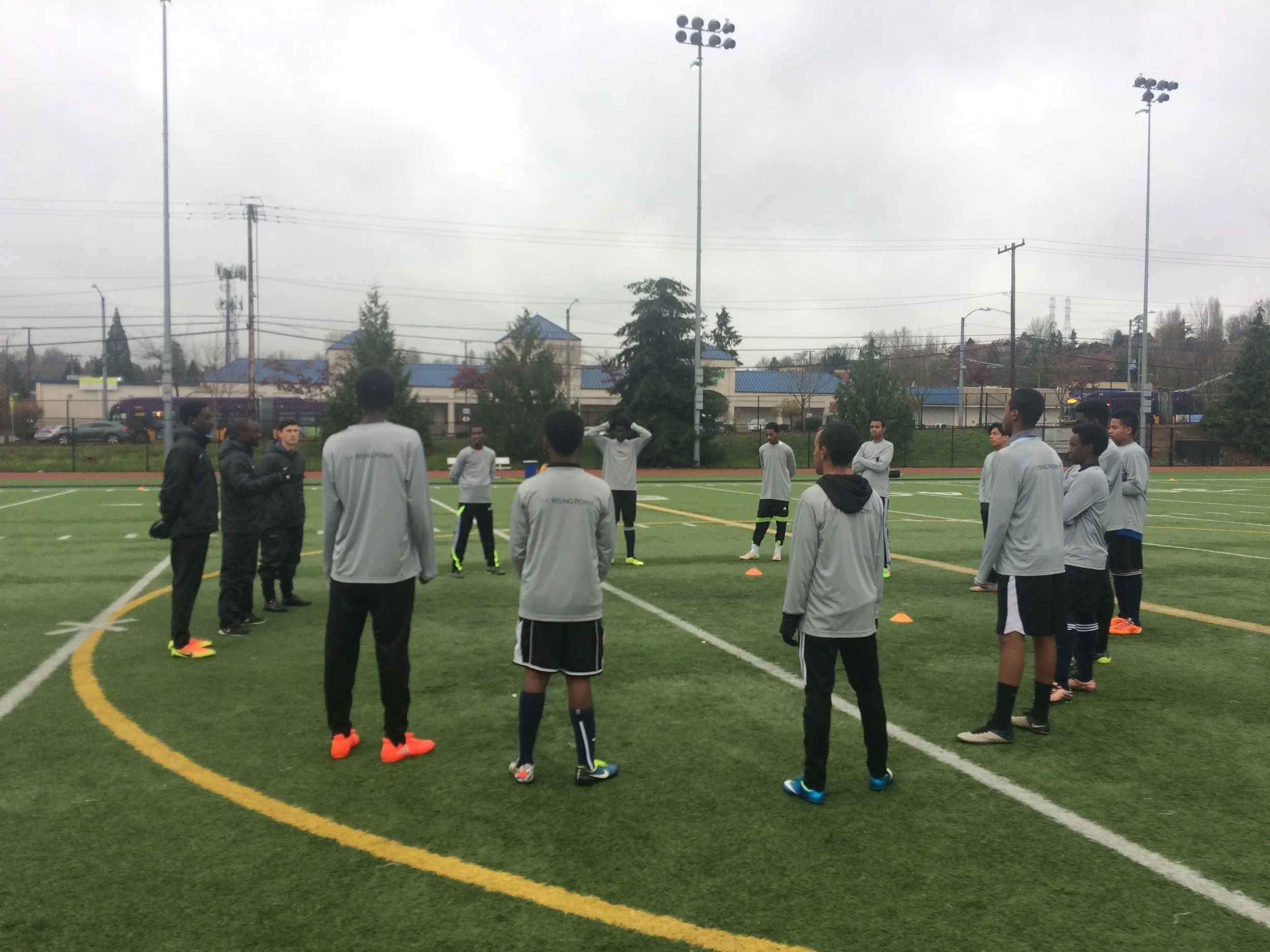
Who are we? In a sporting sense, asking who we are means figuring out what the characteristics of your team are and how you might take advantage of different individual attributes in order to achieve an objective together. Certainly this is what coaches get paid to do but it is also highly important for players, especially in a player-centered game like soccer, to understand what their teammates’ strengths are and how the team wants to function. If you know who you are individually then you are in a better position to help the team. When the identity of the collective is clear, then the group knows what to do and what to fall back on when times get tough.
What do we stand for? Figuring out what a group stands for goes a long way to determining the attitudes and behaviors that become endemic within that group. If your society is ok with xenophobia, racism, sexism, and extreme militarism then you won’t have the courage or moral standing to denounce individuals who behave in that manner. You might even elect them to be President of the United States. Donald Trump’s political career started with eight years of claiming that Barack Obama was un-American in an attempt to rile up people with a similar mindset. It worked well enough. What attitudes and behaviors does your team stand for?
What do we do and how do we do it? Through the game of soccer, we teach our students how to be aware of and manage space, manage their body, and work with others to solve problems and achieve an objective. We do this because the game itself is a microcosm of life due to the relative freedom of expression, the running clock, and the importance of communication and teamwork in real time. Competence within the game of soccer is all about being able to read and respond to whatever situations are thrown your way. The ball doesn’t always find its way to you with a smooth and easy pass. Sometimes it comes in fast and bouncy with a defender breathing down your neck. The mark of a good player is what she or he does to solve the problem once they recognize it. This is true of their lives off the field as well. There is so much that students are not in control of in the larger world but the goal of education is to make them critical thinkers, avid learners, and responsible decision makers.
The great people throughout history, like Dr. Martin Luther King, are not special because of some innate talent or ability. They are not perfect or without complexity, and they don’t grow and develop in a vacuum. What we should remember most of all about the deceased individuals we choose to lionize is whatever their most powerful and unsettling critique was, in their own words, of the world that they attempted to make more just. Dr. King teaches us the importance of awareness and courage. He was aware of the injustice and plunder of Jim Crow laws just as he was aware of the humanity of people in southeast Asia. Martin Luther King made the connection that there was no difference between the marginalized poor in urban ghettos across the United States and the terrified poor in Vietnam who were cowering under skies filled with American bombs. He was courageous enough to risk everything, including his life, to speak out from his considerable platform regardless of the consequences. As is custom for people who significantly threaten an enormous and violent system, he was killed by the very state he dared to challenge through the struggle for social justice and equal rights. In memory of him, and so many others who exemplify awareness and courage, we rise.